
The Allure of Risk: Why People Gamble
The thrill of gambling often stems from the innate human attraction to risk-taking. For many, stepping into a casino ignites an adrenaline rush, fueled by the prospect of winning big. This excitement is heightened by the unpredictable nature of chance, which can evoke a range of powerful emotions. The unique atmosphere of a casino, filled with bright lights, sounds of spinning reels, and the chatter of fellow players, creates an experience that is hard to replicate elsewhere, especially when considering the best online pokies nz options available today. This sensory overload can be a key motivator for gamblers, drawing them into a world where the stakes feel thrillingly high.
Moreover, the potential for a significant payout can trigger the release of dopamine in the brain, reinforcing the behavior of gambling. When players experience wins, no matter how small, it can create a feedback loop that encourages repeated visits to gaming establishments. Even the possibility of winning can lead individuals back to the casino, often despite previous losses. This cycle creates a strong psychological pull, where the thrill of playing can overshadow rational considerations about money and risk, leading to a complex relationship between gamblers and their habits.
Additionally, for some individuals, gambling serves as a coping mechanism. Life challenges, such as stress, loneliness, or financial difficulties, may drive individuals to the casino in search of escapism. The immersive experience of gambling can provide a temporary reprieve from daily worries, allowing players to immerse themselves in a world where their problems feel distant. This blend of excitement and distraction often keeps players returning, sometimes at the cost of their well-being. Understanding this psychological aspect is crucial for addressing why individuals may develop problematic gambling behaviors.
The Role of Cognitive Biases in Gambling Behavior
Cognitive biases significantly influence how gamblers perceive risks and make decisions. One common bias is the illusion of control, where gamblers overestimate their ability to influence outcomes in games of chance. This belief often leads players to engage in superstitious behaviors, such as wearing lucky clothing or following specific rituals before placing bets. While these behaviors lack any real basis in influencing outcomes, they provide a comforting sense of agency, making the experience more enjoyable and reinforcing the desire to continue playing.
Another prevalent cognitive bias is the gambler’s fallacy, which occurs when players believe that past outcomes influence future probabilities. For instance, after a series of losses, a gambler may convince themselves that a win is ‘due’ simply because they have lost repeatedly. This faulty reasoning can lead to persistent gambling, as players erroneously believe that their luck will inevitably change. Understanding these biases is crucial for developing strategies to combat negative gambling behaviors, enabling players to make more informed decisions regarding their gaming habits.
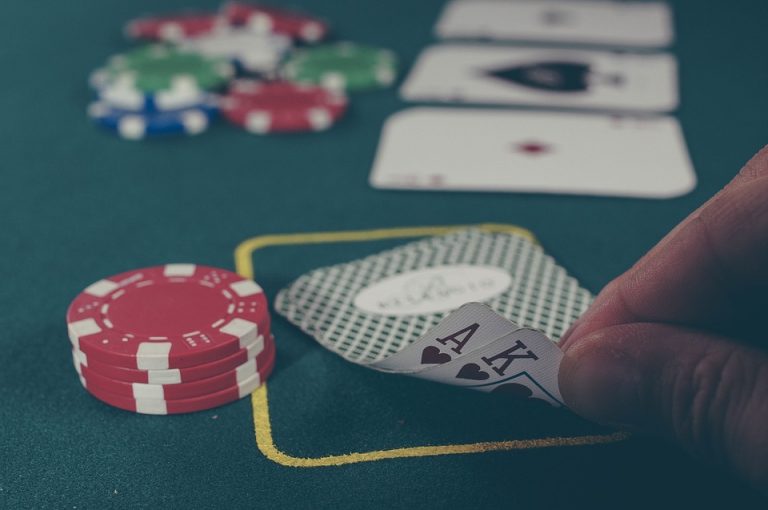
Furthermore, the framing effect also plays a vital role in gambling psychology. Gamblers may perceive potential gains differently than losses due to how outcomes are presented. For example, a player might view a winning scenario more favorably than the simultaneous reality of losses, even if the overall experience is negative. This skewed perception contributes to the ongoing cycle of gambling, as players focus on the excitement of potential wins while downplaying the financial consequences of their actions. Recognizing these cognitive biases can help individuals better navigate their gambling experiences.
The Social Aspect of Gambling
Gambling is often a social activity, with many individuals drawn to casinos for the communal experience. Interacting with fellow players can amplify the thrill of the game, as shared moments of excitement create a sense of camaraderie. This social element can enhance enjoyment and offer players a feeling of belonging, which may be especially appealing for those seeking connection or community. Socializing in a casino can turn a typically solitary endeavor into a memorable experience, making it even more tempting to return.
Additionally, the presence of friends or family members can significantly influence a person’s gambling behavior. Groups may engage in friendly competition, which can intensify the excitement but can also lead to increased spending. The group dynamic often encourages players to take greater risks, emboldened by the support and shared enthusiasm of others. This social pressure can lead to extended periods of play and larger bets, complicating the relationship individuals have with their gambling habits. Such interactions can mask the risks associated with excessive gambling and encourage a more reckless approach.
Moreover, casinos often foster an environment that promotes socializing and connection. With amenities like bars, restaurants, and entertainment options, establishments offer players opportunities to relax and interact outside of gaming. This environment can make the casino an appealing destination even for those who may not primarily be interested in gambling. As players indulge in the social atmosphere, they may find themselves gambling more than initially intended, blurring the boundaries between casual enjoyment and serious gameplay, which can lead to unintended consequences.
Understanding Problem Gambling and its Implications
The psychological complexities of gambling can lead some individuals to develop problematic behaviors. Problem gambling, characterized by an inability to control gambling impulses despite negative consequences, can have devastating effects on one’s life. Understanding the psychology behind this condition is crucial for identifying at-risk individuals and providing appropriate support. The interplay of various factors, such as personality traits, environmental influences, and mental health, can contribute to the development of gambling disorders. Recognizing these factors can help in crafting effective interventions.

Moreover, the consequences of problem gambling extend beyond personal financial loss. Relationships often suffer as gambling becomes a priority over other life responsibilities. Family members may experience emotional distress, financial struggles, and a breakdown in communication, leading to a cycle of isolation and shame. This situation often exacerbates the problem, as individuals may gamble in an attempt to escape from the consequences of their actions, creating further hardship. The ripple effect of problem gambling can impact communities and social networks as well.
To combat problem gambling, it is essential to raise awareness and provide resources for those affected. Educational programs, support groups, and counseling services play a pivotal role in addressing gambling disorders. By promoting healthy gambling practices and encouraging individuals to seek help when needed, society can foster a safer environment for both casual gamblers and those struggling with deeper issues. Initiatives aimed at prevention and recovery can empower individuals to regain control over their gambling habits.
Conclusion: The Importance of Responsible Gambling
The complexity of gambling psychology underscores the need for responsible gaming practices. Understanding the factors that drive individuals to gamble can help develop strategies for promoting healthier behaviors. By encouraging players to set limits, recognize cognitive biases, and prioritize social connections outside of gambling, we can mitigate the risks associated with this widely enjoyed activity. Responsible gambling initiatives can empower players to enjoy the thrills of gaming while maintaining control over their choices.
Moreover, the casino industry’s role in promoting responsible gambling cannot be overstated. Many establishments are beginning to implement measures that prioritize player safety, such as self-exclusion programs, informational resources, and awareness campaigns. By taking proactive steps to support responsible gambling, casinos can contribute to healthier gaming environments and foster a culture of accountability among players. This not only benefits the players but also enhances the reputation of the gaming industry as a whole.
Ultimately, exploring the psychology of gamblers in casinos illuminates the intricate relationship between human behavior, risk, and enjoyment. With a greater understanding of the underlying motivations behind gambling, both players and industry stakeholders can work together to create a more positive experience, ensuring that the excitement of the game does not come at the expense of well-being. The goal is to create a gaming culture that is both enjoyable and mindful of the psychological factors at play.